Ca2+=calcium; GI=gastrointestinal; HK=hyperkalemia; K+=potassium; Mg2+=magnesium; qod=every other day; SPS=sodium polystyrene sulfonate.
References: 1. LOKELMA® (sodium zirconium cyclosilicate) [prescribing information]. Wilmington, DE: AstraZeneca Pharmaceuticals LP; 2024. 2. Stavros F, Yang A, Leon A, Nuttall M, Rasmussen HS. Characterization of structure and function of ZS-9, a K+ selective ion trap. PLoS One. 2014;9(12):e114686. 3. SPS® Suspension [prescribing information]. Farmville, NC: CMP Pharma, Inc; 2021. 4. Palmer BF. Potassium binders for hyperkalemia in chronic kidney disease–diet, renin-angiotensin-aldosterone system inhibitor therapy, and hemodialysis. Mayo Clin Proc. 2020;95(2):339-354.
ACEi=angiotensin-converting enzyme inhibitor; ARB=angiotensin II receptor blocker; ARNI=angiotensin receptor-neprilysin inhibitor; CI=confidence interval; CKD=chronic kidney disease; DM=diabetes mellitus; ED=emergency department; eGFR=estimated glomerular filtration rate; EHR=electronic health record; ESKD=end-stage kidney disease; HD=hemodialysis; HF=heart failure; HFrEF=heart failure with reduced ejection fraction; HK=hyperkalemia; HR=hazard ratio; HTN=hypertension; ICD=International Classification of Diseases; IDN=integrated delivery network; K+=potassium; MACE=major adverse cardiovascular event; MACE+=major adverse cardiovascular event plus hospitalization for unstable angina; MRA=mineralocorticoid receptor antagonist; RAASi=renin‐angiotensin‐aldosterone system inhibitor; RWE=real-world evidence; US=United States.
References: 1. Collins AJ, Pitt B, Reaven N, et al. Association of serum potassium with all-cause mortality in patients with and without heart failure, chronic kidney disease, and/or diabetes. Am J Nephrol. 2017;46(3):213-221. 2. Collins AJ, Pitt B, Reaven N, et al. Association of serum potassium with all-cause mortality in patients with and without heart failure, chronic kidney disease, and/or diabetes. Am J Nephrol. 2017;46(3 Suppl):S1-S13. 3. Bakris G, Agiro A, Mu F, et al. Consequences of recurrent hyperkalemia on cardiovascular outcomes and mortality. JACC Adv. 2024;3(11):101331. 4. Data on File, REF-197797, AZPLP. 5. Data on File, REF-196652, AZPLP. 6. Rastogi A, Pollack CV Jr, Lesén E, et al. Association between reduced RAASi therapy and progression to ESKD in hyperkalemic CKD patients. Presented at: American Society of Nephrology (ASN) Kidney Week 2023; November 2-5, 2023; Philadelphia, PA. Poster TH-PO1028. 7. Kanda E, Rastogi A, Murohara T, et al. Clinical impact of suboptimal RAASi therapy following an episode of hyperkalemia. BMC Nephrol. 2023;24(1):18.
ACEi=angiotensin-converting enzyme inhibitor; ARB=angiotensin II receptor blocker; ARNI=angiotensin receptor-neprilysin inhibitor; ATLAS=Advanced Mapping Tactics for Learning Analysis; eLAAD=electronic longitudinal access and adjudication data; GDMT=guideline-directed medical therapy; HK=hyperkalemia; K+=potassium; MRA=mineralocorticoid receptor antagonist; RAASi=renin-angiotensin-aldosterone system inhibitor; US=United States.
ACEi=angiotensin-converting enzyme inhibitor; ARB=angiotensin II receptor blocker; K+=potassium; MRA=mineralocorticoid receptor antagonist; qd=once daily; qod=every other day; RAASi=renin-angiotensin-aldosterone system inhibitor; tid=three times a day.
References: 1. LOKELMA® (sodium zirconium cyclosilicate) [prescribing information]. Wilmington, DE: AstraZeneca Pharmaceuticals LP; 2024. 2. Data on File, US-108426, AZPLP. 3. Packham DK, Rasmussen HS, Lavin PT, et al. Sodium zirconium cyclosilicate in hyperkalemia [article and supplementary material]. N Engl J Med. 2015;372(3):222-231. 4. SPS® Suspension [prescribing information]. Farmville, NC: CMP Pharma, Inc; 2021. 5. Veltassa® (patiromer) [package insert]. Redwood City, CA: Vifor Pharma, Inc; 2023. 6. Kosiborod M, Rasmussen HS, Lavin P, et al. Effect of sodium zirconium cyclosilicate on potassium lowering for 28 days among outpatients with hyperkalemia: the HARMONIZE randomized clinical trial. JAMA. 2014;312(21):2223-2233. 7. Roger SD, Spinowitz BS, Lerma EV, et al. Efficacy and safety of sodium zirconium cyclosilicate for treatment of hyperkalemia: an 11-month open-label extension of HARMONIZE. Am J Nephrol. 2019;50(6):473-480. 8. Kidney Disease: Improving Global Outcomes (KDIGO) CKD Work Group. KDIGO 2024 clinical practice guideline for evaluation and management of chronic kidney disease. Kidney Int. 2024;105(4S):S117-S314. 9. Heidenreich PA, Bozkurt B, Aguilar D, et al. 2022 AHA/ACC/HFSA guideline for the management of heart failure: a report of the American College of Cardiology/American Heart Association Joint Committee on Clinical Practice Guidelines. Circulation. 2022;145(18):e895-e1032. 10. Spinowitz BS, Fishbane S, Pergola PE, et al. Sodium zirconium cyclosilicate among individuals with hyperkalemia: a 12-month phase 3 study. Clin J Am Soc Nephrol. 2019;14(6):798-809.
K+=potassium; LIDI=long interdialytic interval; qd=once daily; SIDI=short interdialytic interval.
References: 1. LOKELMA® (sodium zirconium cyclosilicate) [prescribing information]. Wilmington, DE: AstraZeneca Pharmaceuticals LP; 2024. 2. Data on File, US-108426, AZPLP. 3. Fishbane S, Ford M, Fukagawa M, et al. A phase 3b, randomized, double-blind, placebo-controlled study of sodium zirconium cyclosilicate for reducing the incidence of predialysis hyperkalemia. J Am Soc Nephrol. 2019;30(9):1723-1733.
CKD=chronic kidney disease; DM=diabetes mellitus; HF=heart failure; HTN=hypertension; qd=once daily.
References: 1. LOKELMA® (sodium zirconium cyclosilicate) [prescribing information]. Wilmington, DE: AstraZeneca Pharmaceuticals LP; 2024. 2. Data on File, US-108426, AZPLP. 3. Spinowitz BS, Fishbane S, Pergola PE, et al. Sodium zirconium cyclosilicate among individuals with hyperkalemia: a 12-month phase 3 study. Clin J Am Soc Nephrol. 2019;14(6):798-809. 4. U.S. Food & Drug Administration. Drug Approval Package: LOKELMA (sodium zirconium cyclosilicate) Medical Review(s). Accessed January 28, 2026. https://www.accessdata.fda.gov/drugsatfda_docs/nda/2018/207078Orig1s000MedR.pdf
GI=gastrointestinal; K+=potassium; SAEs=serious adverse events.
References: 1. LOKELMA® (sodium zirconium cyclosilicate) [prescribing information]. Wilmington, DE: AstraZeneca Pharmaceuticals LP; 2024. 2. Data on File, US-108426, AZPLP. 3. Fishbane S, Ford M, Fukagawa M, et al. A phase 3b, randomized, double-blind, placebo-controlled study of sodium zirconium cyclosilicate for reducing the incidence of predialysis hyperkalemia. J Am Soc Nephrol. 2019;30(9):1723-1733.
K+=potassium; qd=once daily; tid=three times a day.
References: 1. LOKELMA® (sodium zirconium cyclosilicate) [prescribing information]. Wilmington, DE: AstraZeneca Pharmaceuticals LP; 2024. 2. Data on File, US-108426, AZPLP. 3. Kosiborod M, Rasmussen HS, Lavin P, et al. Effect of sodium zirconium cyclosilicate on potassium lowering for 28 days among outpatients with hyperkalemia: the HARMONIZE randomized clinical trial. JAMA. 2014;312(21):2223-2233. 4. Packham DK, Rasmussen HS, Lavin PT, et al. Sodium zirconium cyclosilicate in hyperkalemia [article and supplementary material]. N Engl J Med. 2015;372(3):222-231. 5. Spinowitz BS, Fishbane S, Pergola PE, et al; ZS-005 Study Investigators. Sodium zirconium cyclosilicate among individuals with hyperkalemia: a 12-month phase 3 study. Clin J Am Soc Nephrol. 2019;14(6):798-809. 6. Roger SD, Spinowitz BS, Lerma EV, et al. Efficacy and safety of sodium zirconium cyclosilicate for treatment of hyperkalemia: an 11-month open-label extension of HARMONIZE. Am J Nephrol. 2019;50(6):473-480.
K+=potassium; LIDI=long interdialytic interval.
References: 1. LOKELMA® (sodium zirconium cyclosilicate) [prescribing information]. Wilmington, DE: AstraZeneca Pharmaceuticals LP; 2024. 2. Data on File, US-108426, AZPLP. 3. Kosiborod M, Rasmussen HS, Lavin P, et al. Effect of sodium zirconium cyclosilicate on potassium lowering for 28 days among outpatients with hyperkalemia: the HARMONIZE randomized clinical trial. JAMA. 2014;312(21):2223-2233.
EGWP=Employer Group Waiver Plans; FEHBP=Federal Employees Health Benefits Program; HCP=healthcare professional; K+=potassium; MA=Medicare Advantage; PACE=Program of All-Inclusive Care for the Elderly; PBM=Pharmacy Benefit Manager; PCP=primary care physician; PDP=prescription drug plan; SN=special needs.
References: 1. Data on File, US-108426, AZPLP. 2. Formulary Data are provided by Fingertip Formulary® and are current as of 3/13/2025.
Reference: 1. Data on File, US-108426, AZPLP.
Reference: 1. Data on File, US-108426, AZPLP.
ACEi=angiotensin-converting enzyme inhibitor; ARB=angiotensin II receptor blocker; ARNI=angiotensin receptor-neprilysin inhibitor; CI=confidence interval; CKD=chronic kidney disease; CV=cardiovascular; ED=emergency department; eGFR=estimated glomerular filtration rate; EHR=electronic health records; ESKD=end-stage kidney disease; HD=hemodialysis; HF=heart failure; HK=hyperkalemia; HR=hazard ratio; HTN=hypertension; ICD=International Classification of Diseases; K+=potassium; MACE=major adverse cardiovascular event; MACE+=major adverse cardiovascular event plus hospitalization for unstable angina; MNT=medical nutrition therapy; MRA=mineralocorticoid receptor antagonist; RAASi=renin‐angiotensin‐aldosterone system inhibitor; RWE=real-world evidence; SD=standard deviation; US=United States.
References: 1. Rowan CG, Agiro A, Chan KA, et al. Hyperkalemia recurrence following medical nutrition therapy in patients with Stage 3-4 chronic kidney disease: The REVOLUTIONIZE I Real-World Study. Adv Ther. 2024;41(6):2381-2398. 2. Bakris G, Agiro A, Greatsinger A, et al. Economic burden of recurrent hyperkalemia in patients with chronic kidney disease. J Manag Care Spec Pharm. 2024;30(11):1261-1275. 3. Data on File, REF-197797, AZPLP. 4. Rastogi A, Pollack CV Jr, Lesén E, et al. Association between reduced RAASi therapy and progression to ESKD in hyperkalemic CKD patients. Presented at: American Society of Nephrology (ASN) Kidney Week 2023; November 2-5, 2023; Philadelphia, PA. Poster TH-PO1028. 5. Kanda E, Rastogi A, Murohara T, et al. Clinical impact of suboptimal RAASi therapy following an episode of hyperkalemia. BMC Nephrol. 2023;24(1):18. 6. Trevisan M, de Deco P, Xu H, et al. Incidence, predictors and clinical management of hyperkalaemia in new users of mineralocorticoid receptor antagonists. Eur J Heart Fail. 2018;20(8):1217-1226.
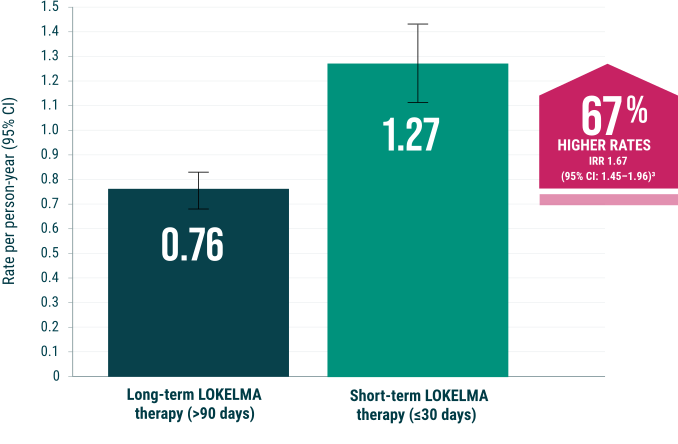
CI=confidence interval; CKD=chronic kidney disease; ED=emergency department; ESKD=end-stage kidney disease; HD=hemodialysis; HK=hyperkalemia; IRR=inter-rater reliability; K+=potassium; SD=standard deviation; US=United States.
References: 1. Data on File, REF-217791, AZPLP. 2. Data on File, US-108426, AZPLP. 3. Data on File, US-63248, AZPLP.