For US Healthcare Professionals
Managing hyperkalemia can be challenging for you and your patients
Meet three types of patients, and learn about the different risks they can face




Regardless of comorbidities, HK may increase the risk of all-cause mortality1*
An RWE study of patients from the EHR databases of multiple IDNs
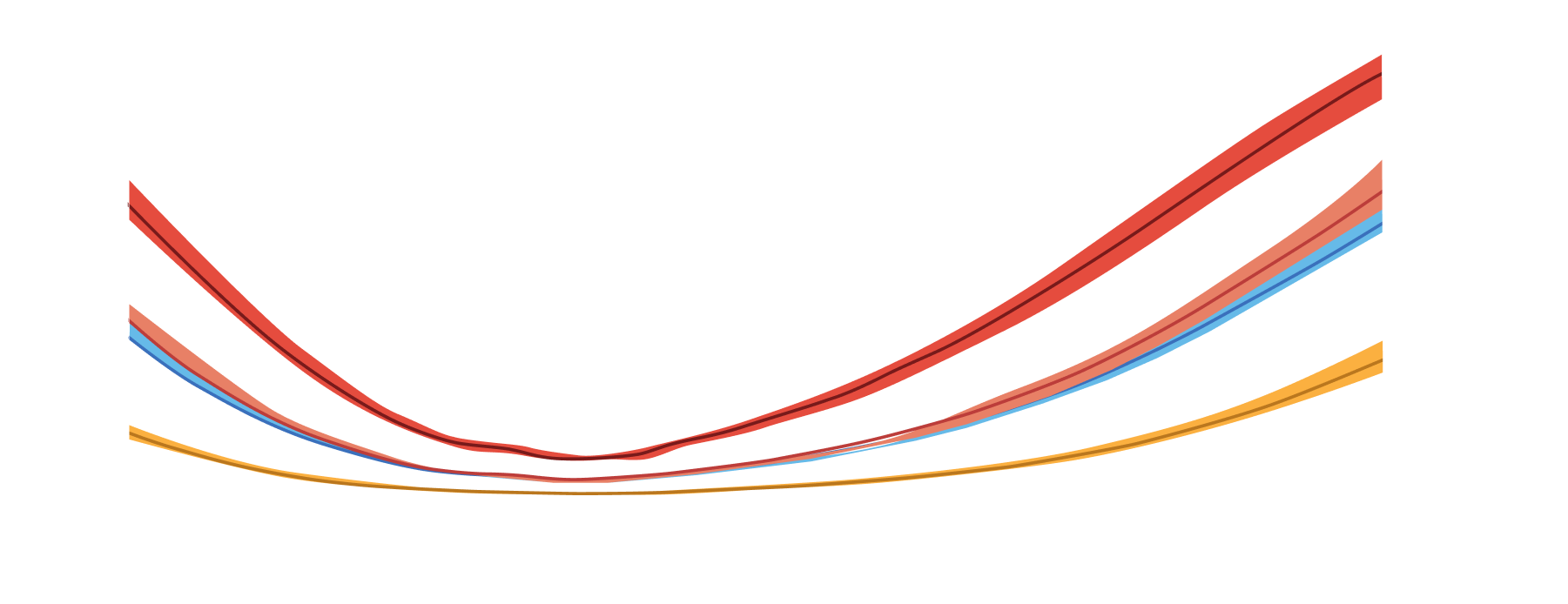
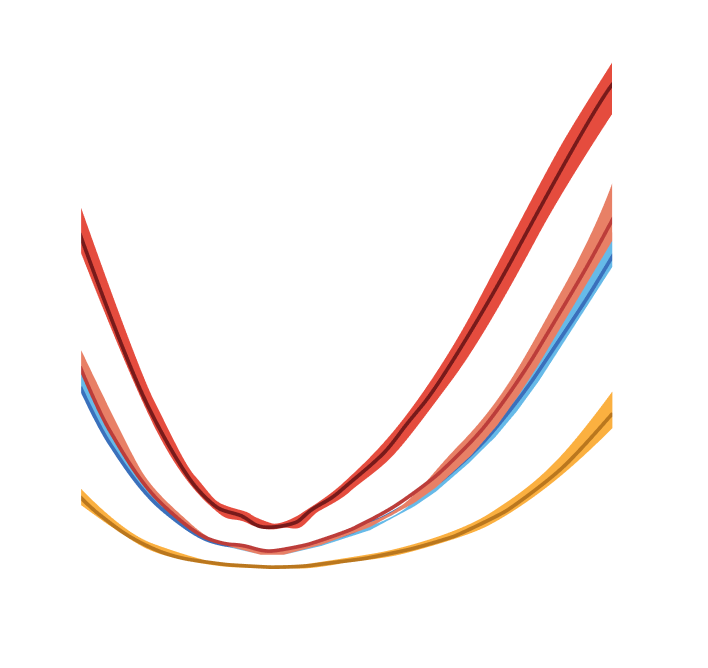
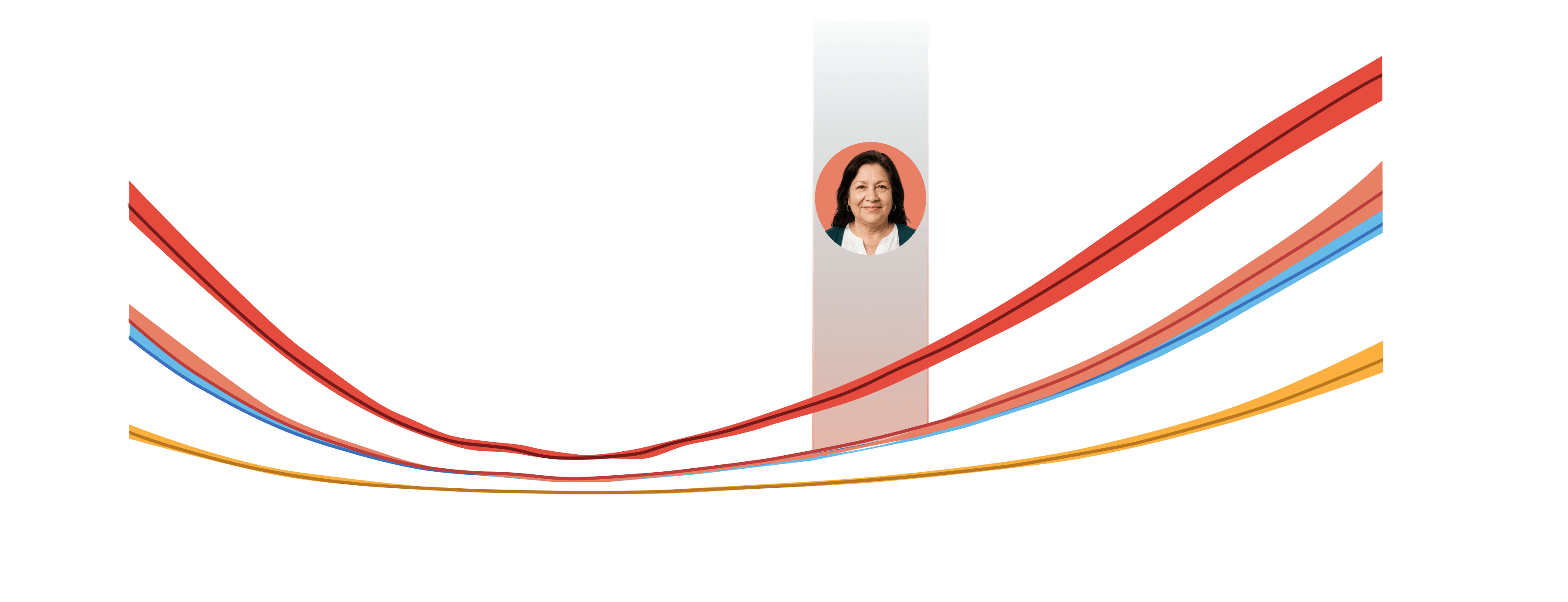
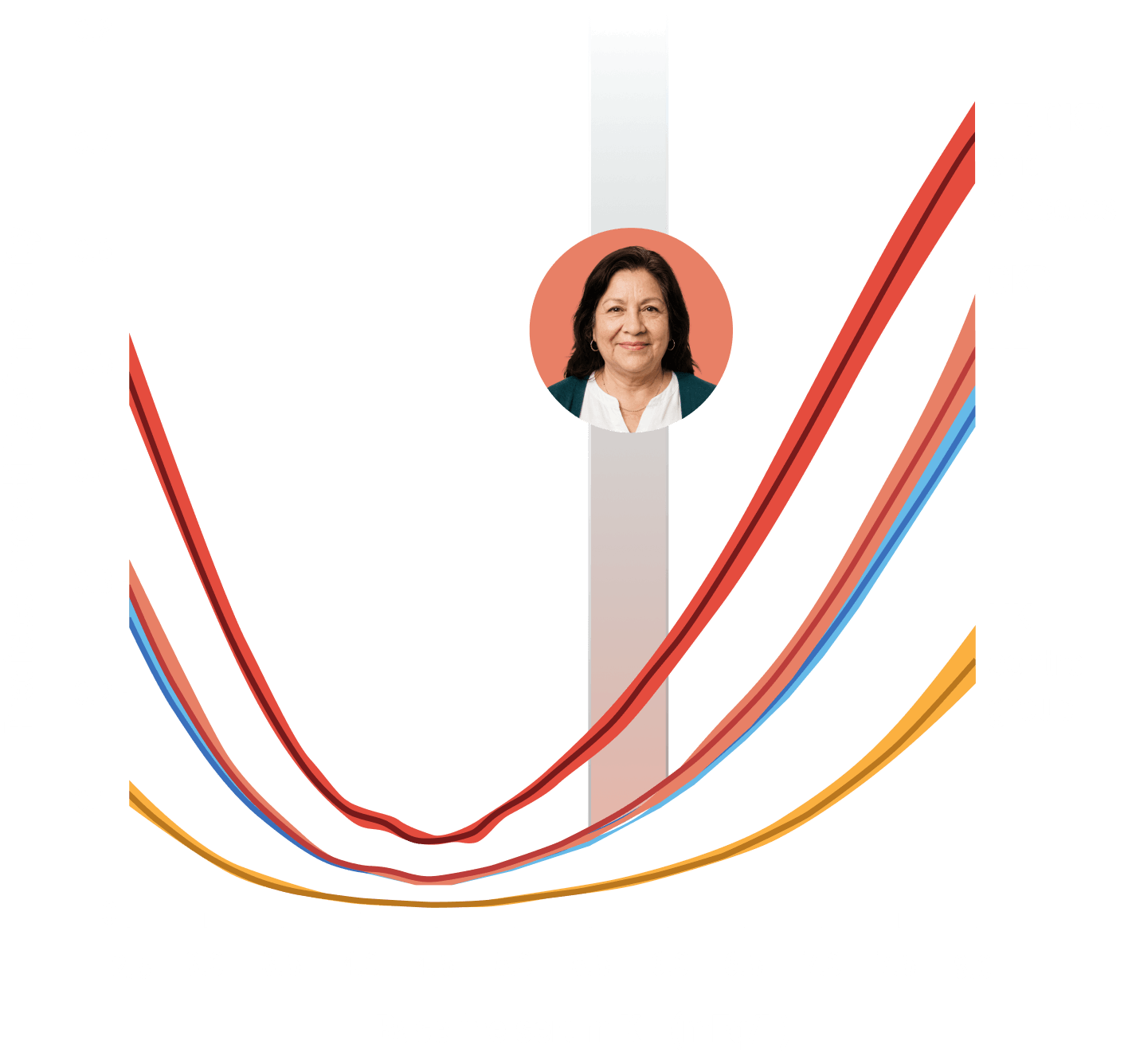
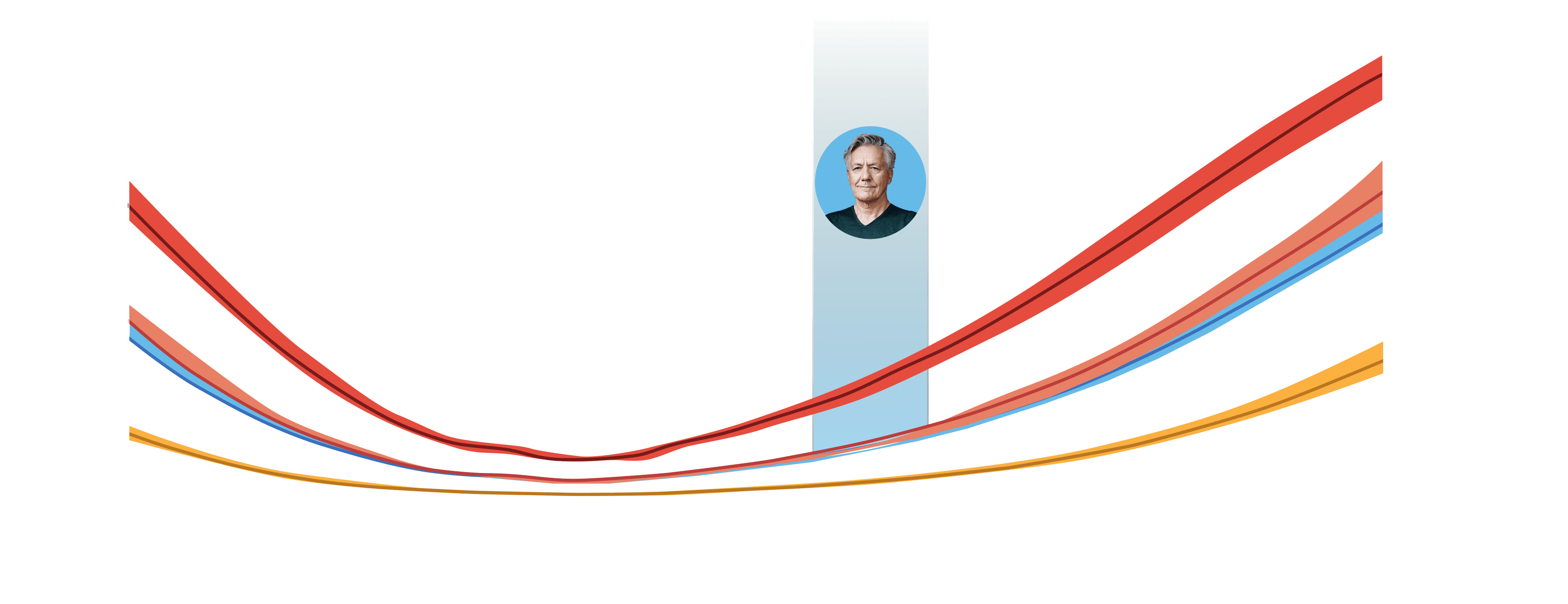
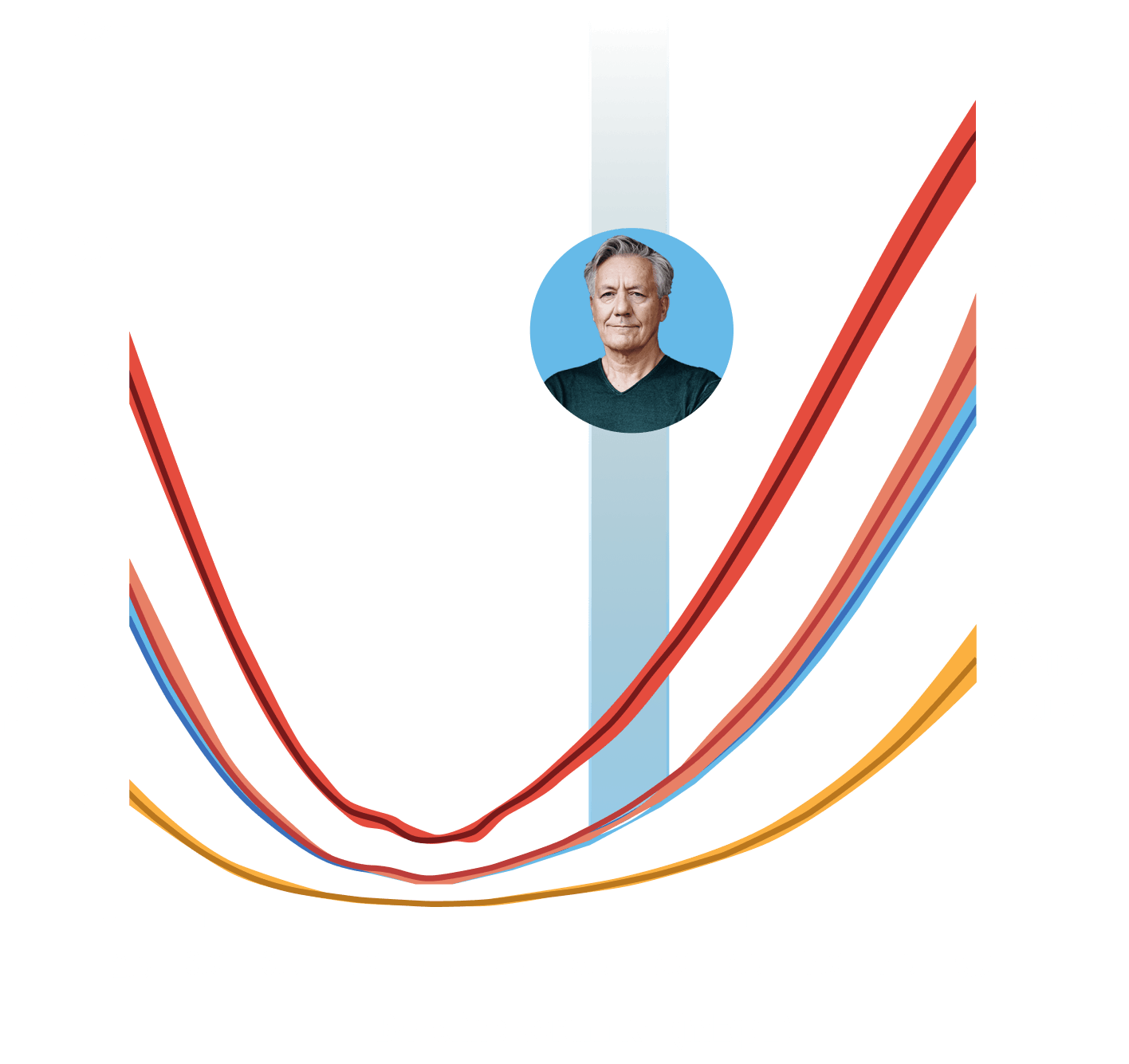
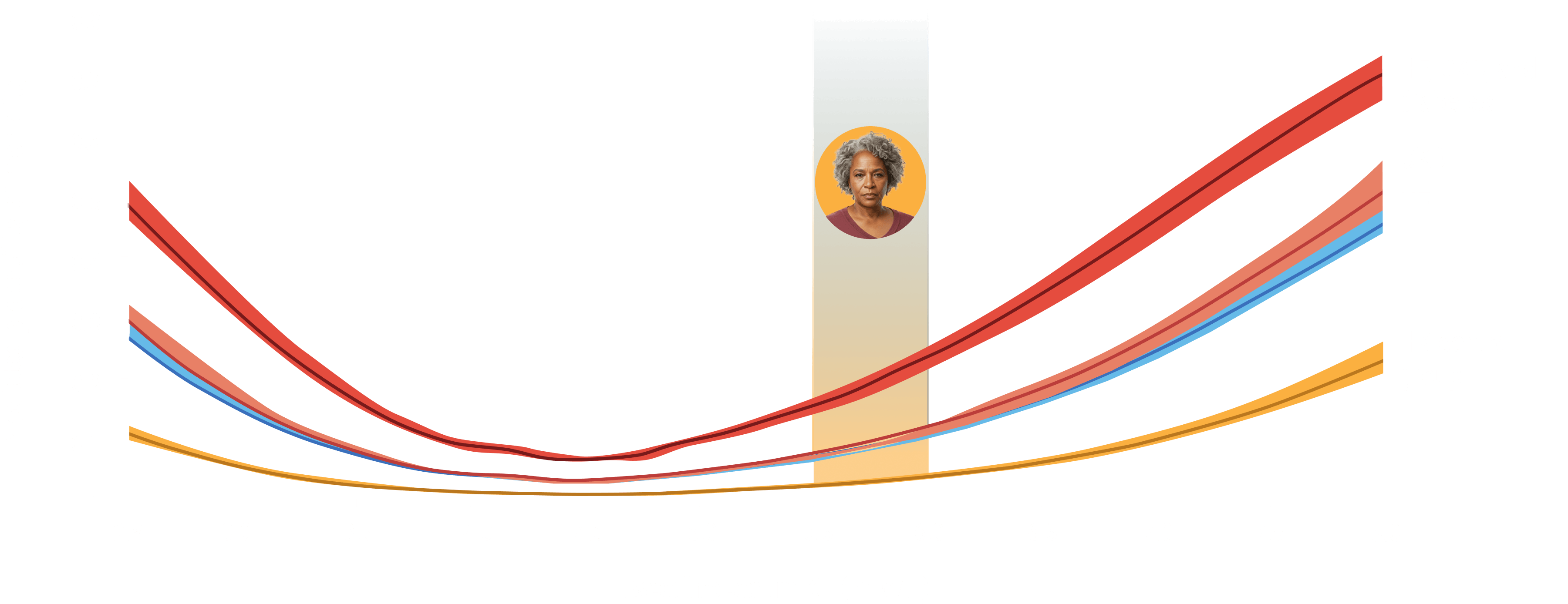
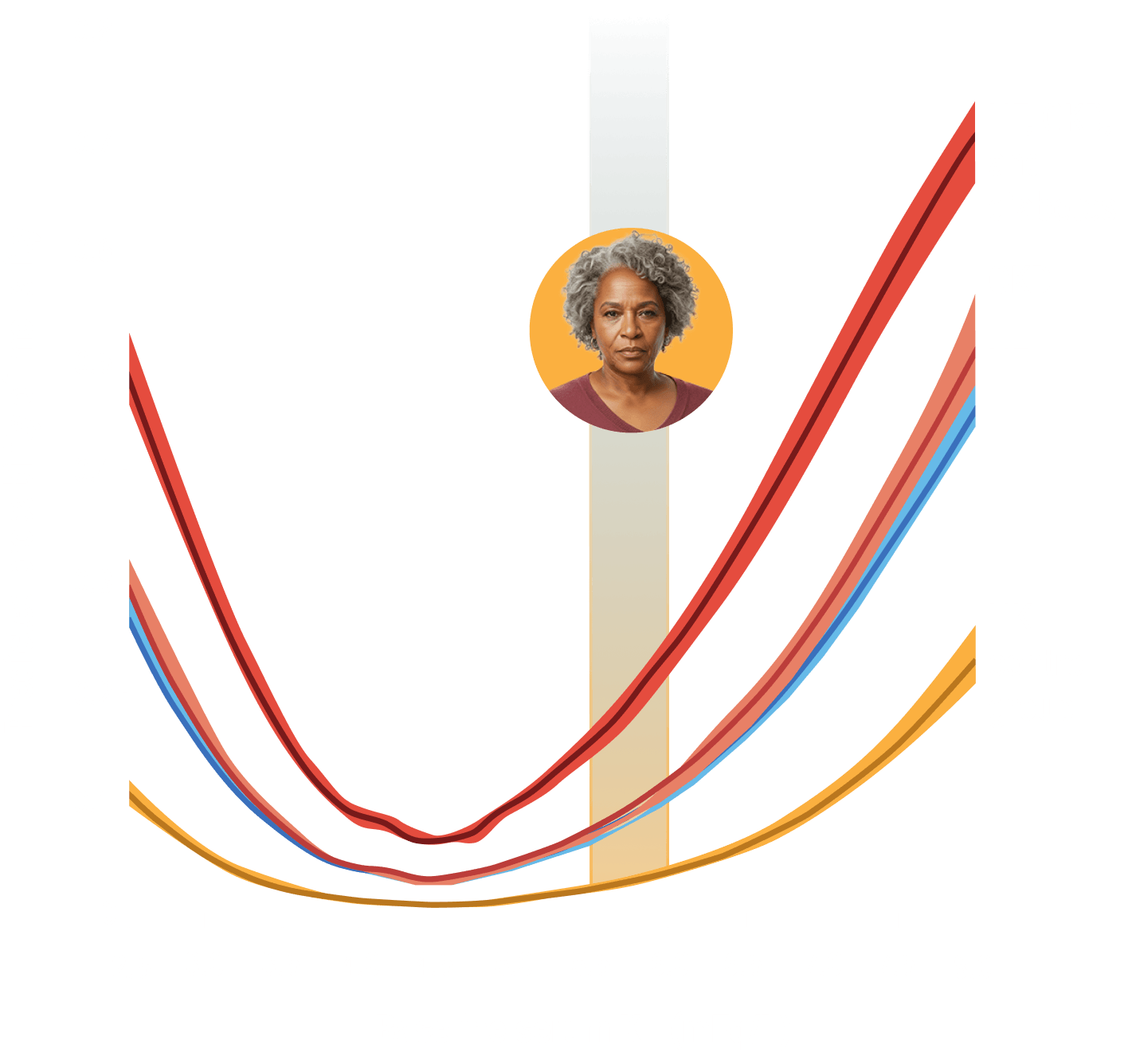
Serum K+ ≥5.0 was associated with an increased risk of all-cause mortality in patients with hyperkalemia, regardless of comorbidity profile1*
*Retrospective study of 911,698 patients from multiple integrated health delivery networks (Humedica). Control group included 338,297 individuals without known HF, CKD, diabetes, cardiovascular disease, or hypertension. Patient data came from private insurers, Medicare and Medicaid users, and uninsured individuals.1
In patients with CKD Stages 3-5 and hyperkalemia, the population-weighted adjusted predicted probability of mortality was 5.3% for patients with mild hyperkalemia (5.0—<5.5 mEq/L) and 8.4% in those with moderate hyperkalemia (5.5—<6.0 mEq/L) over an average 18-month follow-up. In patients with HF and hyperkalemia, the population-weighted adjusted predicted probability of mortality was 4.8% for patients with mild hyperkalemia (5.0—<5.5 mEq/L) and 7.7% in those with moderate hyperkalemia (5.5—<6.0 mEq/L) over an average 18-month follow-up. In the HK control group, the population-weighted adjusted predicted probability of mortality was 1.6% for patients with mild hyperkalemia (5.0—<5.5 mEq/L) and 2.6% in those with moderate hyperkalemia (5.5—<6.0 mEq/L) over an average 18-month follow-up.1,2
LOKELMA® (sodium zirconium cyclosilicate) is not indicated to reduce the risk of death.
Hyperkalemia is often recurrent, and can be a serious threat for your patients3
In a retrospective analysis:
All-cause mortality in patients with Stage 3 or 4 CKD and recurrent HK† vs without HK‡ (n=6337 matched§ pairs)3
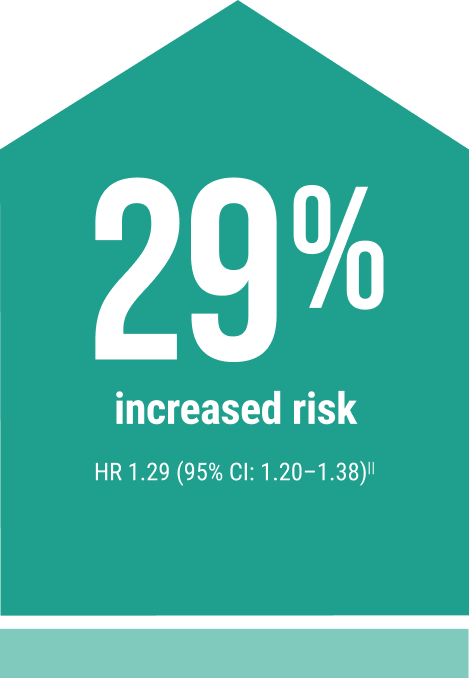
CKD and recurrent HK were associated with an increased risk of death for patients3
KEY LIMITATIONS: Given the definition of recurrent HK utilized, patients with an elevated K+ value without a diagnosis code for HK were not captured in the study. Residual confounding may be present due to unmeasured variables that cannot be ruled out. Results from the study may not be generalizable.3,4
†Patients with an index HK (≥1 HK diagnosis and ≥1 HK lab value within 7 days of each other) and an additional HK diagnosis or a serum K+ lab value >5.0 mEq/L during the 12-month baseline period.3,4
‡Patients with index normokalemia event (any K+ lab value 3.5–5.0 mEq/L) and no HK diagnosis or lab value <3.5 or >5.0 mEq/L during baseline or follow-up period.3,4
§Patients with recurrent HK were first matched to those without HK on: CKD Stage 3 or 4, CV events (MACE or MACE+, arrhythmia), HF, type I or II DM, HTN and proteinuria during baseline, and RAASi therapy on index date. A logistic regression model was then used to generate the propensity score.3,4
‖HRs were calculated using cause-specific Cox models; median time to all-cause mortality was not reached in either cohort.3,4
LOKELMA® (sodium zirconium cyclosilicate) is not indicated to reduce the risk of death.
REVOLUTIONIZE III was a retrospective cohort study of the US claims and EHR database comparing clinical outcomes of matched patients with Stage 3 or 4 CKD with recurrent HK vs without HK from January 2016 to August 2022. Patients were followed from the index date of recurrent HK and without HK cohorts until time to death, end of data or enrollment, or ≥7 days of outpatient K+ binder use.3
Do you know just how frequently hyperkalemia recurrence happens?
VIEW THE RISKSConsider the consequences to your patients before modifying their RAASi
In a real-world evidence study (HF subgroup analysis, n=9086)5:
Risk of HF-related hospitalizations or ED visits associated with RAASi¶ modification in US patients with HF and/or Stage 3 or 4 CKD and HK
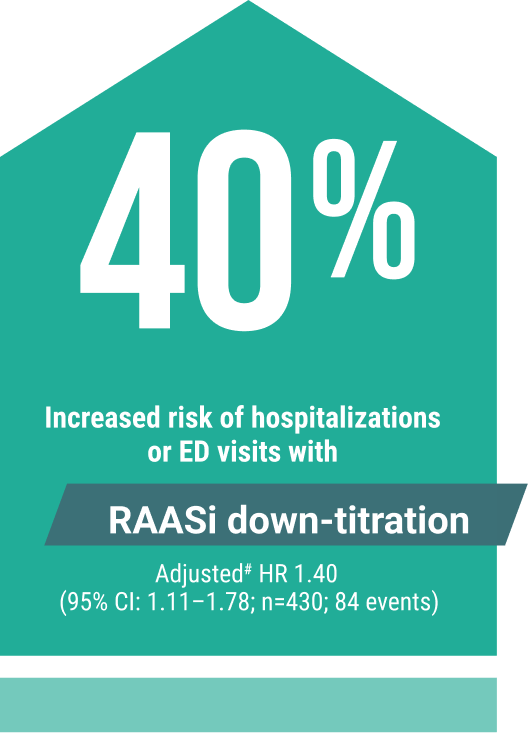
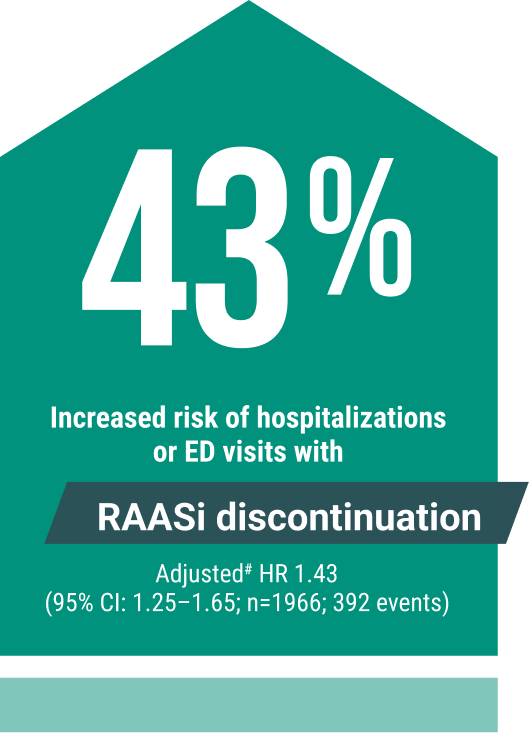
compared with patients who maintained or uptitrated their RAASi dose (n=3049; 421 events)5
Regardless of modification approach (down-titration or discontinuation) to guideline-directed RAASi following HK, patients with HF may be at greater risk for HF hospitalizations or ED visits5
KEY LIMITATIONS: Information on race, certain risk factors, other comorbidities, and severity markers for CKD and HF were not available. The primary outcome did not account for mortality as a competing risk. A higher proportion of patients who discontinued or down-titrated RAASi therapy had severe index HK episode (potassium ≥6.0 mEq/L) and higher use of MRA at baseline. Patients who were hospitalized and died within 90 days were excluded, leading to an underestimation of the risk of outcomes.5
¶RAASi included ACEi, ARB, ARNI, and MRA. RAASi discontinuation was defined as no fill of a new prescription within 90 days after index. RAASi down-titration was defined as >25% reduction in dose of any previously prescribed RAASi.6
#Adjusted for age, sex, history of HK, diabetes, CKD including stage, and baseline use of RAASi.5
LOKELMA® (sodium zirconium cyclosilicate) is not indicated to reduce the risk of death or HF-related hospitalization.
ZORA was an observational analysis of US and Japan databases. For the US, data were retrieved from Optum’s de-identified Market Clarity Data between July 2019 and September 2021 in 15,488 adult patients with CKD Stage 3 or 4 and/or HF with an index HK episode (based on ICD codes) and ≥1 filled RAASi prescription within 6 months before index HK episode. Primary outcome evaluated the risk of ED visits or hospitalizations for HF or progression to ESKD (initiation of HD or a diagnosis of ESKD or Stage 5 CKD) in patients who discontinued or down-titrated RAASi compared to those who maintained or uptitrated RAASi following index HK episode. Data represent a subgroup of 9086 patients with HF (diagnosis code) who were evaluated following index HK episode.6,7
Could hyperkalemia be a driving force behind compromising MRA therapy?
VIEW THE RISKSCHOOSE LOKELMA to treat hyperkalemia
See the proven efficacy in a broad range of patients
EXPLORE CLINICAL DATA